Tattvas
- Jason Baldauf
- Nov 1, 2024
- 4 min read

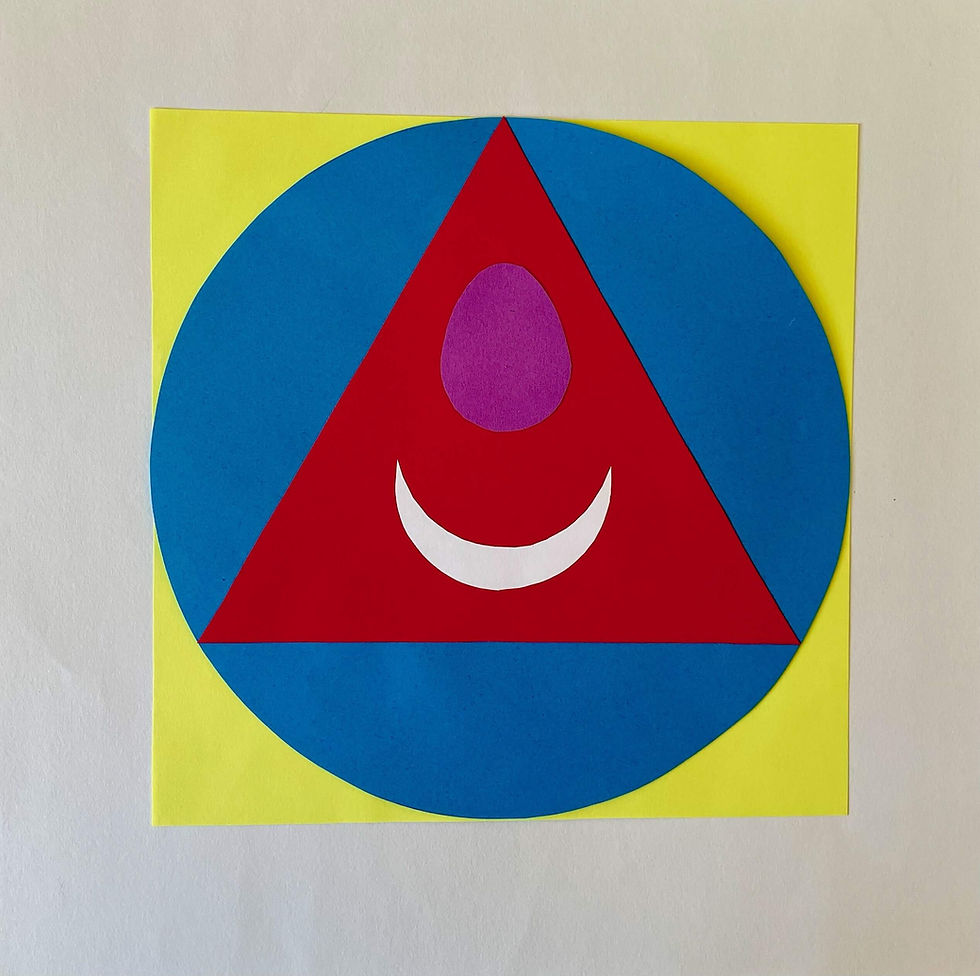
"Each tattva represents a more gross or slower vibration than the one before it. The whole universe is thus the same material, Chiti or Consciousness, vibrating at different frequencies" - Swami Shankarananda
The term tattva is derived from the Sanskrit words “tat,” meaning "that," and “tva,” meaning "ness," collectively referring to the "that-ness" or essence of reality. Tattvas are the five elemental principles that form the foundation of the physical and metaphysical universe in Vedic philosophy. They represent the fundamental elements of creation: earth (prithvi), water (apas), fire (tejas), air (vayu), and space (akasha).
The concept of tattvas originated in the early Vedic texts and later expanded in various schools of Hindu philosophy and yoga. The tattvas are essential for understanding the structure of the universe, the body, and the mind. In yogic practice, working with the tattvas is key to maintaining balance, as each element governs specific qualities within us. By understanding and balancing these elements, practitioners can achieve harmony in both the physical and subtle bodies.
In yogic philosophy, tattvas form the building blocks of existence and are linked to both the physical and energetic body. The physical body is seen as a microcosm of the universe, embodying all five elements. Each element correlates with specific chakras, emotions, senses, and qualities, and balancing them is essential for holistic well-being.
In practical terms, yogic practices like pranayama (breathwork), asana (postures), and meditation are designed to balance the tattvas within the body. The elements serve as focal points for deepening awareness and understanding energy flow, supporting one’s connection to nature, self, and spiritual growth. Here's how the tattvas are related to other yogic principles:
Pranayama: Each element is associated with specific types of pranayama that can either stimulate, balance, or calm the related tattva. For example, cooling breaths like Sheetali can balance the fire element, while deep grounding breaths can enhance the earth element.
Kundalini: The rising of kundalini energy through the chakras activates each tattva in succession, beginning with the earth element at the root chakra and culminating with the space element at the crown. The kundalini journey requires a balanced expression of each element for the energy to flow upward smoothly.
Chakras: Each chakra is associated with a specific tattva, and the qualities of each element manifest differently at each chakra. For instance, manipura chakra, linked to the fire element, represents transformation and personal power.
Nadis: The nadis, or energy channels, are the pathways through which prana flows. Balanced tattvas ensure that energy flows freely through the nadis without blockages, maintaining harmony across the physical, mental, and spiritual levels.
Each of the five tattvas represents a distinct quality and energy that influences both our internal and external experiences. Understanding and working with each tattva allows for a deeper sense of connection and harmony.
Prithvi Tattva (Earth)
Qualities: Stability, solidity, and groundedness.
Location in the Body: Muscles, bones, and tissues.
Chakra Association: Muladhara (root chakra).
Function: Prithvi tattva provides stability and structure, grounding one’s physical and mental energy. It is associated with the sense of smell and the qualities of steadiness and patience.
How to Work with Prithvi Tattva: Grounding postures like tadasana (mountain pose) and virabhadrasana (warrior poses) can stimulate the earth element. Meditating on the color red or visualizing being rooted to the earth can enhance the grounding quality of this tattva.
Apas Tattva (Water)
Qualities: Fluidity, adaptability, and nourishment.
Location in the Body: Bodily fluids, reproductive organs, and the circulatory system.
Chakra Association: Svadhisthana (sacral chakra).
Function: Apas tattva represents emotional depth, creativity, and adaptability. It governs the sense of taste and qualities like flexibility, compassion, and flow.
How to Work with Apas Tattva: Gentle, flowing movements like vinyasa sequences, as well as hip-opening postures like baddha konasana (bound angle pose), activate this tattva. Practicing visualization of water or the color orange can help balance emotional energy and adaptability.
Tejas Tattva (Fire)
Qualities: Transformation, energy, and willpower.
Location in the Body: Digestive system, eyes, and metabolic processes.
Chakra Association: Manipura (solar plexus chakra).
Function: Tejas tattva governs transformation, passion, and personal power. It is linked to the sense of sight and the ability to process experiences, pushing for growth and evolution.
How to Work with Tejas Tattva: Core-strengthening poses like navasana (boat pose) and practices like Kapalabhati pranayama (skull-shining breath) ignite the fire element. Visualizing the color yellow and meditating on the sun can help cultivate clarity, willpower, and warmth.
Vayu Tattva (Air)
Qualities: Lightness, movement, and freedom.
Location in the Body: Lungs, respiratory system, and nervous system.
Chakra Association: Anahata (heart chakra).
Function: Vayu tattva is linked with movement, lightness, and the ability to embrace change. It is associated with the sense of touch, and qualities like compassion, joy, and love.
How to Work with Vayu Tattva: Heart-opening poses such as urdhva dhanurasana (upward bow) and pranayama techniques like anulom vilom (alternate nostril breathing) promote balance in the air element. Visualizing the color green and imagining oneself in open air spaces can enhance feelings of freedom and lightness.
Akasha Tattva (Space)
Qualities: Vastness, openness, and connection.
Location in the Body: Spaces within the body, such as the mouth, ears, and cells.
Chakra Association: Vishuddha (throat chakra).
Function: Akasha tattva represents expansion, communication, and spiritual connection. It governs the sense of hearing and encourages qualities of openness, creativity, and intuition.
How to Work with Akasha Tattva: Practices that focus on spaciousness and surrender, like savasana (corpse pose), as well as vocal practices such as chanting or mantra recitation, can activate akasha. Meditating on the color blue and visualizing an open sky fosters a sense of vastness and receptivity.
Meditation focused on each tattva can deepen one’s awareness of the elements within. Visualizing colors associated with each tattva or mentally connecting with the qualities they represent can be a powerful way to bring each element into balance.
The tattvas represent the building blocks of the universe and our own inner worlds. Understanding and balancing the tattvas leads to harmony across the body, mind, and spirit, creating a foundation for spiritual growth and self-realization. Working with these elemental forces in yogic practice provides a pathway to deeper connection, well-being, and enlightenment, bringing practitioners closer to the essence of Vedic wisdom.


Comments