Chakras
- Jason Baldauf
- Aug 21, 2024
- 5 min read

Updated: Oct 6, 2024

"The body is the vehicle, the consciousness is the driver. Yoga is the path, and the chakras are the map." - Anodea Judith
Probably one of the most well known concepts of Vedic philosophy in the west, particularly among yoga practitioners and New Age esoteric types like myself, are the chakras (pronounced chaa-kruh). The concept originates from the ancient Vedic texts, particularly the Upanishads, which are considered some of the earliest philosophical explorations in Indian spirituality. The word "chakra" itself comes from the Sanskrit word meaning "wheel" or "disc," and in the Vedic philosophical tradition, chakras are understood as energy centers within the human body.
The chakras are an integral part of the subtle body, a concept in yogic philosophy that refers to the non-physical body made up of energy, that interfaces with the physical, gross body. The concept of chakras evolved alongside the broader framework of yoga, which is a comprehensive spiritual discipline aimed at achieving self-realization and union with the divine.
In this tradition, chakras are seen as focal points of energy, or prana, that regulate various aspects of our physical, emotional, and spiritual well-being. They are connected by pathways of energy called nadis, which are similar to the meridians in traditional Chinese medicine. These nadis distribute prana throughout the body, and when they flow freely, the chakras remain balanced and healthy. Chakras also relate closely to the concept of koshas. Koshas are layers or sheaths of consciousness that encase the soul, from the grossest to the subtlest: the physical body (Annamaya Kosha), the energy body (Pranamaya Kosha), the mental body (Manomaya Kosha), the wisdom body (Vijnanamaya Kosha), and the bliss body (Anandamaya Kosha). The chakras reside primarily within the Pranamaya Kosha, the layer of the energy body, but they influence all layers of existence.
Traditionally, there are seven main chakras aligned along the spine, from its base to the crown of the head. Each chakra corresponds to specific physical, emotional, and spiritual functions, and each has a unique vibrational frequency.

Muladhara (Root Chakra) pronounced moolaa-dhaa-ruh: root, vital part
I Am
Location: Base of the spine
Color: Red
Element: Earth
Planet: Saturn
Mantra: Lam
Musical note: C, 256/194.18 Hz
Physical Interface: Adrenals, produces cortisol - responsible for fight/flight response/Inferior Hypogastric Plexus
Sense: Smell
Associated Gemstones: Bloodstone, Hematite, Tourmaline, Fire Agate, Brown Jasper, Obsidian, Onyx, Rhodonite, Ruby
Associated Plants: Ginger, Patchouli, Myrrh, Vetiver
Function: The Muladhara chakra is associated with security, survival, and the physical body. It governs our basic needs for grounding, stability, and trust. When balanced, this chakra gives us a sense of security and connection to the earth.
Imbalance: Fear, insecurity, physical ailments related to the lower body

Svadhisthana (Sacral Chakra) pronounced svaa-dhisht-haa-nuh: abode of vital force
I Feel
Location: Below the navel, in the lower abdomen
Color: Orange
Element: Water
Planet: Jupiter
Mantra: Vam
Musical note: D, 288/210.42 Hz
Physical Interface: Gonads, sex drive/Hypogastric Plexus
Sense: Taste
Associated Gemstones: Carnelian, Citrine, Garnet, Red/Brown Aventurine, Red Jasper, Moonstone, Ruby
Associated Plants: Sandalwood, Orange, Jasmine
Function: The Svadhisthana chakra is linked to creativity, sexuality, enthusiasm, pleasure and passion. It governs our emotions, desires, and reproductive functions. When in balance, it fosters healthy relationships, creative expression, and emotional well-being.
Imbalance: Guilt, sexual dysfunction, emotional instability

Manipura (Solar Plexus Chakra) pronounced muh-ni-poor-uh: island of jewels
I Do
Location: Upper abdomen, near the stomach
Color: Yellow
Element: Fire
Planet: Mars
Mantra: Ram
Musical note: E, 320/126.22 Hz
Physical Interface: Pancreas, produces insulin & regulates blood sugar/Digestive System/Celiac Plexus
Sense: Sight
Associated Gemstones: Citrine, Amber, Golden Beryl, Jasper, Quartz, Ruby, Topaz
Associated Plants: Chamomile, Fennel, Juniper
Function: The Manipura chakra is the center of personal power, expansiveness, confidence, self-esteem, growth & wisdom. It governs our ability to assert ourselves, take control, and transform our lives. A balanced Manipura chakra leads to a strong sense of purpose and self-worth.
Imbalance: Low self-esteem, lack of direction, digestive issues
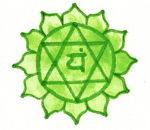
Anahata (Heart Chakra) pronounced uh-naa-huh-tuh: unstruck
I Love
Location: Center of the chest, near the heart
Color: Green
Element: Air
Planet: Venus
Mantra: Yam
Musical note: F, 341.3/136.10 Hz
Physical Interface: Cardiac Plexus/Vagus Nerve
Sense: Feel
Associated Gemstones: Rose Quartz, Green Tourmaline, Aventurine, Ruby, Green Apophyllite, Green Calcite, Chrysocolla, Pink Dunburite, Emerald, Kunzite, Lepidolite, Malachite, Moonstone, Morganite, Peridot, Green Quartz, Rhodonite
Associated Plants: Bergamot, Rose, Jasmine, Lavender, Rosemary
Function: The Anahata chakra is the bridge between the lower and upper chakras, linking the physical with the spiritual. It is associated with love for others and self, compassion, devotion, healing and relationships. A balanced heart chakra fosters unconditional love, empathy, and inner peace.
Imbalance: Grief, anger, heart-related issues

Vishuddha (Throat Chakra) pronounced vishuud-huh: Pure
I Speak
Location: Throat
Color: Blue
Element: Ether
Planet: Mercury
Mantra: Ham
Musical note: G, 384/147.27 Hz
Physical Interface: Thyroid, controls metabolism, blood flow, temperature, sexual function, sleep & thought patterns. Produces T3/T4.
Sense: Aether
Associated Gemstones: Aquamarine, Turquoise, Amazonite, Amethyst, Angelite, Azurite, Blue Lace Agate, Lapis Lazuli, Blue Topaz, Blue Tourmaline, Quartz, Sapphire
Associated Plants: Chamomile, Lavender, Sage
Function: The Vishuddha chakra is the center of communication, confidence, independence, self-expression, truth and creation. It governs our ability to speak our truth, express our thoughts clearly and create our reality through speech. When balanced, it allows for honest communication and creative expression.
Imbalance: Shyness, difficulty expressing oneself, throat and mouth issues

Ajna (Third Eye Chakra) pronounced aaj-nyaa: to command
I See
Location: Forehead, between the eyebrows
Color: Indigo
Element: Light
Planet: Sun
Mantra: Aum
Musical note: A, 426.7/221.23 Hz
Physical Interface: Pineal Gland, produces melatonin which modulates sleep patterns, controls circadian & seasonal cycles. Contains same tissues as found in the eyes, tiny quartz crystals and can produce DMT naturally.
Sense: Mind
Associated Gemstones: Amethyst, Azurite, Lapis Lazuli, Apophyllite, Diamond, Purple Fluorite, Garnet, Lepidolite, Moldavite, Royal Sapphire, Sodalite, Tiger's Eye
Associated Plants: Bergamot
Function: The Ajna chakra is associated with consciousness, intuition, insight, and spiritual awareness. It governs our ability to perceive beyond the physical senses, offering wisdom and clarity. A balanced Ajna chakra enhances intuition and spiritual vision.
Imbalance: Confusion, lack of focus, headaches
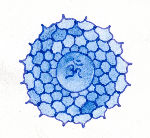
Sahasrara (Crown Chakra) pronounced suh-hus-raa-ruh: thousandfold
I Know
Location: Top of the head
Color: Violet or white
Element: Thought
Planet: Saturn
Mantra: Aum
Musical note: B, 480/172.06 Hz
Physical Interface: Hypothalamus, links nervous & endocrine systems (thyroid, adrenals & gonads) via pituitary. Controls body temperature, hunger, thirst, fatigue, sex drive./Cerebral Cortex.
Sense: Consciousness
Associated Gemstones: Quartz, Amethyst, Pink Calcite, Diamond, Lepidolite, Sapphire, Tourmaline
Associated Plants: Frankincense, Lavender
Function: The Sahasrara chakra is the highest energy center, associated with beingness, enlightenment, spiritual connection through transcendental consciousness, release and unity with the divine. It represents the connection to our higher self and the cosmos. A balanced crown chakra brings a sense of oneness and bliss.
Imbalance: Disconnection from spirit, lack of purpose, neurological issues
The Vedic concept of chakras is an essential part of yogic philosophy, offering a roadmap for understanding how energy flows through the body and affects our overall well-being. By understanding and working with these energy centers, one can achieve greater harmony, health, and spiritual growth. Whether through yoga, meditation, or other practices, balancing the chakras can lead to a more integrated and fulfilled life, aligning us with the deeper aspects of our existence and the universe around us.
If you're interested in further information, below are links to my reviews on a few books on the subject:


Comments