Modes of Prayer
- Jason Baldauf
- Nov 17, 2024
- 3 min read

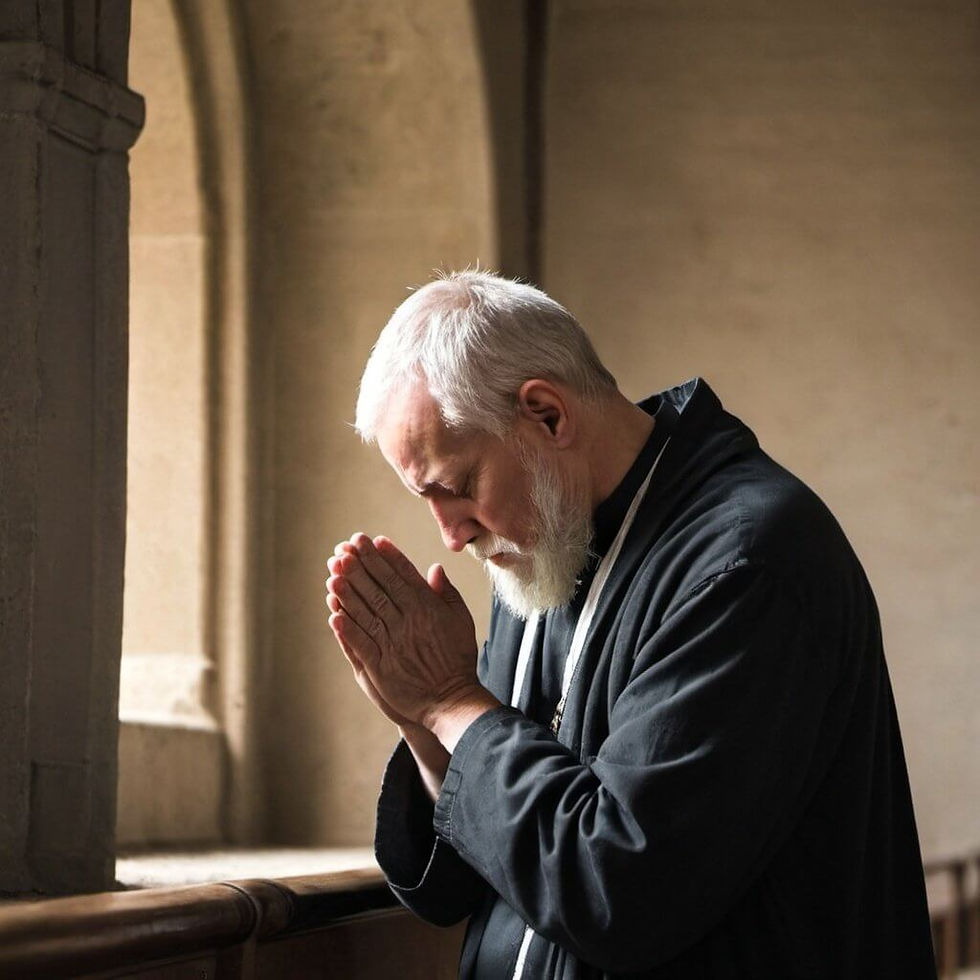
Prayer is a fundamental practice in many religious and spiritual traditions. It involves communication with a higher power, the divine, or one's inner self. The nature and purpose of prayer can vary widely, but it generally serves several key functions in spirituality:
Communication with the Divine: Prayer is often seen as a way to communicate with a higher power, be it God, gods, the universe, or one's higher self. This communication can take the form of praise, requests, confessions, or expressions of gratitude. Prayer creates a sense of connection to something greater than oneself. This connection can provide comfort, meaning, and purpose in life.
Expression of Faith and Devotion: Through prayer, individuals express their faith, devotion, and trust in a higher power. It is a way to show commitment to spiritual beliefs and practices. Regular prayer strengthens one's faith and spiritual beliefs. It reinforces the values and principles of a spiritual path and helps individuals stay committed to their spiritual journey.
Seeking Guidance and Support: Many people pray to seek guidance, support, and strength in times of need. It is a way to ask for help with life's challenges and to find solace in difficult times. In some traditions, prayer is seen as a way to manifest desires and intentions. By aligning one's thoughts and emotions with a desired outcome, individuals believe they can influence their reality and bring about positive changes. Prayer can bring a sense of inner peace and healing. It helps individuals process emotions, find forgiveness, and cultivate a sense of well-being.
Meditation and Reflection: Prayer can be a form of meditation, allowing individuals to reflect on their lives, seek inner peace, and find clarity. It often involves focusing the mind and heart on spiritual truths and deeper understanding. Engaging in prayer can promote mindfulness and present-moment awareness. It encourages individuals to be present with their thoughts, feelings, and intentions, fostering a deeper connection to themselves and their spirituality.
Prayer can be a communal activity, bringing people together in shared beliefs and practices. This communal aspect can create a sense of belonging and support within a spiritual community.
The recognized types of prayer vary across different religious traditions, but generally, they can be categorized into several types. Here are some common types:
Adoration (Praise) Expressing love and admiration for the divine. This type of prayer focuses on the greatness and goodness of the deity.
Thanksgiving Giving thanks for blessings, benefits, and other positive experiences. It is a way to show gratitude for what one has received.
Confession (Repentance) Acknowledging and seeking forgiveness for sins or wrongdoings. This type of prayer involves a sincere admission of guilt and a request for pardon.
Supplication (Petition) Asking for help, guidance, or specific favors. This type of prayer involves making personal requests to the divine for oneself.
Intercession Praying on behalf of others. It involves asking for divine intervention or blessings for other people.
Meditative (Contemplative) Focusing the mind on a particular aspect of the divine or a spiritual truth. This type of prayer involves deep reflection and inner silence.
Lamentation Expressing sorrow, grief, or distress. This type of prayer involves pouring out one's pain and suffering to the divine.
Blessing Invoking divine favor or protection over someone or something. This type of prayer involves asking for positive outcomes or sanctification.
Dedication Committing oneself or others to the divine. This type of prayer involves pledging one's life or actions to a higher purpose.
In Gregg Braden's book "The Lost Mode of Prayer," he discusses five modes of prayer based on ancient traditions and wisdom. These types of prayer are distinct from more conventional categories and emphasize the power of feeling and intention. The Feeling Prayer is the mode that Gregg Braden emphasizes as the "lost" mode of prayer. It involves creating the feeling of the desired outcome as if it has already happened. This type of prayer focuses on the emotional and sensory experience of what one wishes to manifest, aligning the heart and mind with that reality.
These types can overlap, and the specific practices and terminology can vary significantly between different religious traditions. Prayer is a versatile and deeply personal practice that plays a vital role in spirituality. It fosters connection, inner peace, faith, community, mindfulness, and the power of intention, making it a cornerstone of many spiritual traditions.


Comments